
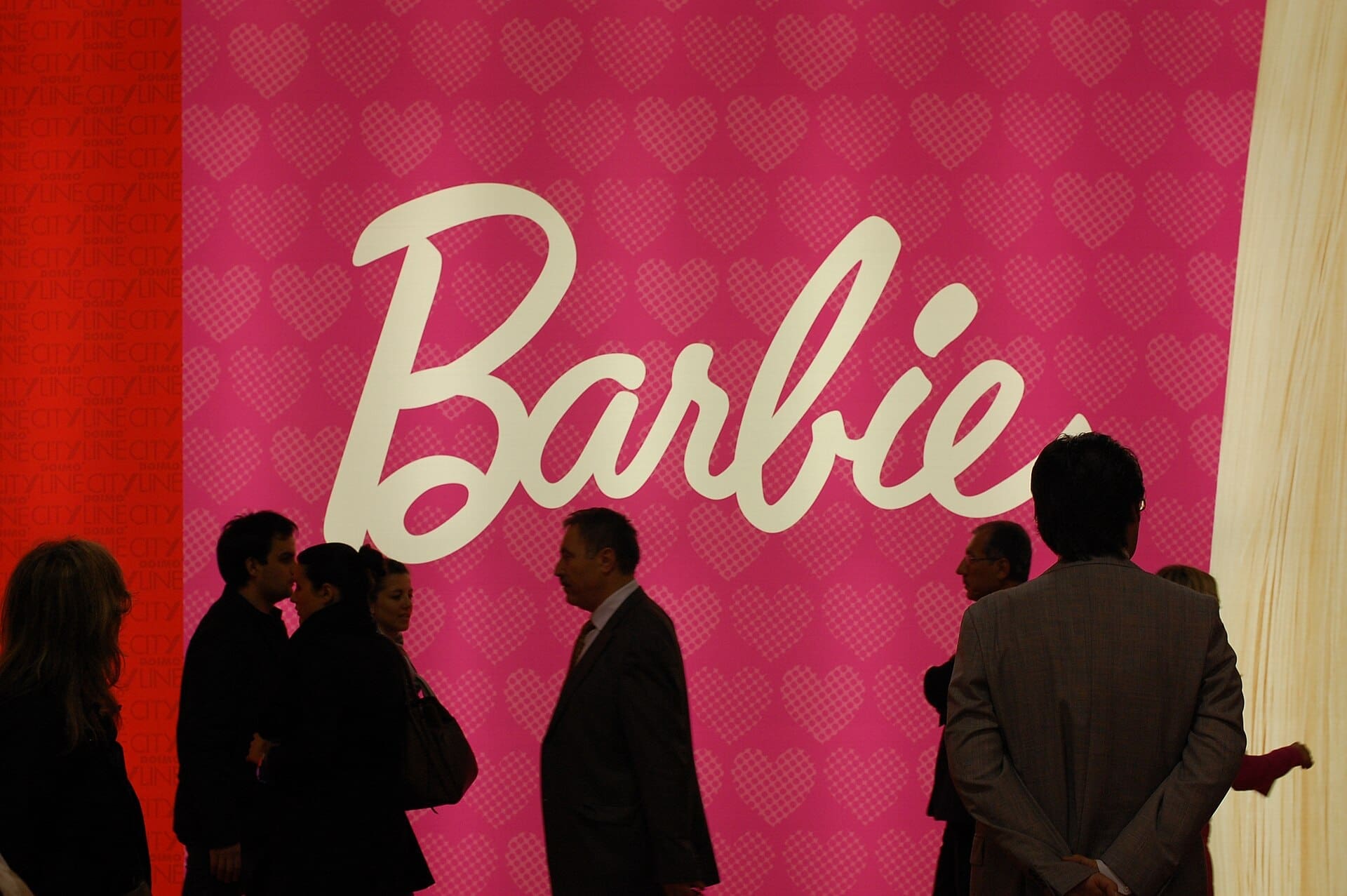
When Danish group Aqua arrived in 1997 styled as living fashion dolls in bright plastic sets, they highlighted a distinct formula: high-concept visual parody fused with hyper-kinetic dance production. Across Northern Europe, that blueprint immediately sparked a wave of cartoonish, theatrical pop projects. Built on four-on-the-floor kick drums, bright offbeat hi-hats, compressed piano stabs, and synthesized nursery-rhyme melodies clocked between 130 and 150 BPM, several acts quickly carved out their own eccentric, character-driven niches.
Toy-Box and Jungle Storybook Adventures
Debuting from Denmark in 1998, the duo Toy-Box mirrored Aqua’s male-female dynamic while trading the toy box for pulp storybook jungle lore. Formed by vocalists Amir El-Falaki and Anila Mirza alongside producers Per Holm and Peter Hartmann (known as Golden Child), the act operated through clear archetypal roles. Mirza performed high-pitched, girlish hooks as Jane, while El-Falaki contributed gravelly jungle commands and spoken-word interjections as Tarzan.
Paced at roughly 140 BPM, their signature track layered bouncy synthesized basslines under playground-style call-and-response chants such as “Go Cheetah, get banana! / Hey monkey, get funky!” In 1999, British pop magazine Smash Hits threw its support behind the song. Capitalizing on the buzz, UK record label Edel chose to delay the track’s British release, synchronizing its promotional push with the theatrical rollout of Disney’s animated movie Tarzan.
Cartoons and 150 BPM Rockabilly Caricatures
Also emerging from Denmark, Cartoons took visual theatricality even further. Formed in 1996 or 1997 and debuting in 1998, the six-member ensemble consisted of Martin Østengaard, Toonie, Sponge, Shooter, Buzz, and Puddy. Dressed as flamboyant, 1950s rockabilly cartoon caricatures, the group applied Eurodance rhythms to vintage novelty music.
Their standout release was a high-speed rework of Ross Bagdasarian’s 1958 novelty classic “Witch Doctor.” Accelerated to a blistering 150 BPM, the track featured pitch-shifted helium vocal processing across its famous chorus: “Ooh-eeh-ooh-ah-ah-ting-tang-walla-walla-bing-bang.” The concept struck a chord across the continent: their album Toonage secured multi-platinum status throughout Europe and landed within the Top 10 in Denmark, Italy, Portugal, and Spain.
Vengaboys and the Traveling Party Archetypes
Formed in the Netherlands in 1998, Vengaboys were created by production duo Wessel van Diepen and Dennis van den Driesschen, credited as Danski & DJ Delmundo. Onstage, the group was fronted by Kim Sasabone, Denise Post-Van Rijswijk, Robin Pors, and Roy den Burger, presenting themselves as camp party archetypes traveling together on a vintage bus.
Beyond their European club runs, the group’s energetic sound found an unusual second life in North American pop culture. In 2004, US amusement park chain Six Flags and Doner Advertising licensed an instrumental Vengaboys track to drive their “It’s Playtime!” marketing blitz. The campaign starred “Mr. Six,” an elderly character in a tuxedo who stepped off a vintage bus to deliver frantic dance routines. Under the tuxedo makeup was British choreographer Danny Teeson, who portrayed the character under a strict non-disclosure agreement.
Smile.dk and Techno-Futurist Fantasy
Sweden provided its own take on the bubblegum Eurodance trend with Smile.dk, founded in 1998 by vocalists Veronica Almqvist and Nina Boquist. Written and produced by Robert Uhlmann and Robin Rex, the duo merged Y2K techno-futurist aesthetics with whimsical fantasy imagery.
Their key release, “Butterfly,” ran at approximately 136 BPM, weaving four-on-the-floor Eurodance beats and synthesizers with pentatonic, zither-style lead melodies. At its center sat a nursery-style melodic hook: “Ay, ya, ya, I’m your little butterfly.” In late 1998, Japanese gaming giant Konami licensed “Butterfly” for the debut edition of its arcade sensation Dance Dance Revolution. Becoming a cornerstone anthem for the franchise, the track fueled the group’s prominence across East Asia, leading to Smile.dk becoming the first foreign pop act to perform on the South Korean television music program SBS Inkigayo in 1999.
The track also achieved an accidental global afterlife: during the late 1990s and early 2000s, an unauthorized 8-bit sound chip loop containing the song’s opening ring, dog bark, and chorus was mass-produced in China and embedded into plastic toy mobile phones sold across the globe.
Referencelist:
- afterhours-music.com
- allmusic.com
- en.wikipedia.org
- en.wikipedia.org
- vengaboys.com
- en.wikipedia.org
- saigoneer.com
Image credit: For a barbie girl in a barbie world (3735333583) — Maurizio Pesce from Milan, Italia, via Wikimedia Commons. CC-BY-2.0. for a barbie girl in a barbie world (https://www.flickr.com/photos/pestoverde/3735333583/)
.jpg)